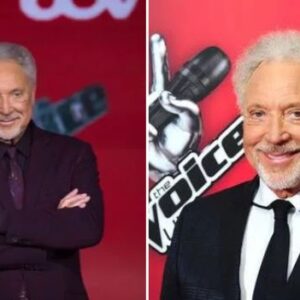
ITV may be hoping that a new coaching panel will give The Voice UK a fresh identity. But after Sir Tom Jones was dropped from the full-time lineup, the broadcaster faces a familiar television problem: what happens when a show replaces one of the personalities audiences associate most strongly with it?
Jones, 86, has been part of The Voice UK since its launch in 2012, although his tenure has not been entirely uninterrupted. His departure ahead of the 2027 series has become contentious because he says he did not want to leave and was informed of ITV’s decision only recently.

In a statement posted on Instagram in September, Jones said ITV had cited financial difficulties involving insurance as the reason for his exit. He also challenged the broadcaster’s public explanation that the show needed a refresh and a new coaching lineup. ITV, meanwhile, thanked him for the years he had spent on the programme and described him as irreplaceable. The broadcaster has not publicly endorsed Jones’s account of the insurance explanation.
The disagreement has turned what might have been an ordinary judging-panel reshuffle into a debate about how television treats its most recognisable stars.
The comparison with Simon Cowell is not that the two men have identical careers or that The Voice UK is necessarily heading for failure. It is that reality television has repeatedly relied on familiar personalities to give a competition its identity. A format can survive a cast change, but the audience does not always embrace the change simply because producers have announced a new lineup.
Cowell became closely associated with The X Factor through his blunt assessments, dramatic reactions and role in shaping the show’s public image. His presence became part of what viewers expected from the programme. When a reality series loses a personality who has become synonymous with its brand, the replacement has to offer more than a different face in the same chair.
Jones presents a different kind of challenge. His appeal has never depended solely on confrontational television. His musical career, distinctive voice and experience give him an authority that is difficult to replicate through casting alone. He can speak to contestants as a veteran performer who has spent decades navigating the music industry, not simply as a television personality delivering a verdict.
That does not mean a new panel cannot work. ITV has announced a major overhaul for the next series, with Cheryl and Aitch joining returning coaches Kelly Rowland and will.i.am. Alesha Dixon and Stacey Solomon are also taking over hosting duties. The changes suggest the broadcaster is rethinking more than just one seat.

But that is precisely why Jones’s departure matters. The programme is changing several familiar elements at once, leaving viewers to decide whether the new version still feels like the show they remember.
The reaction to Jones’s exit has already shown that some viewers are unhappy. Coverage of the announcement highlighted criticism from fans, while fellow singer Natalie Imbruglia said she was sad and did not understand why he had been removed.
There is no guarantee that this backlash will translate into lower ratings or that the new lineup will fail. The 2027 series has yet to demonstrate how audiences will respond. A refresh can attract new viewers as easily as it can alienate loyal ones.
Still, ITV has created a difficult test for itself. It must prove that the programme can evolve without losing the qualities that made people invest in it in the first place.
The question is not whether another coach can occupy Jones’s chair. Someone will. The question is whether the new panel can establish its own chemistry and credibility quickly enough to make viewers stop comparing it with the lineup they have lost.
That is the risk behind ITV’s decision. Replacing a familiar star is straightforward on paper. Replacing the place that star occupies in the audience’s imagination is much harder.
Source: Compiled from various sources.