When high-stakes strategy reality shows hit the screen, every subtle glance, playful gesture, and strategic voting decision gets analyzed under a massive public microscope. The intense gameplay on Celebrity Traitors has sparked a passionate national conversation following the unexpected banishment of actor Myha’la, drawing commentary from show insiders and viewers alike.
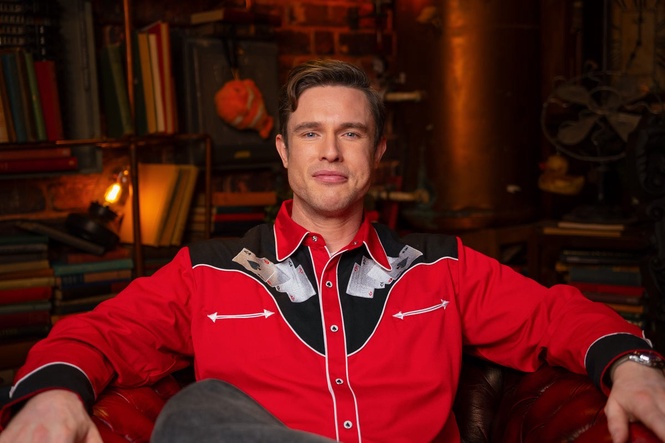
Addressing the rising online debate, Ed Gamble, the host of the official companion show Uncloaked, recently stepped forward to discuss viewer concerns regarding unconscious racial and cultural bias within the game’s mechanics.
The public discussion gathered momentum after a viewer publicly raised questions about whether Myha’la’s early elimination was influenced by racial prejudice, sparking broader discourse on how ethnic minority contestants are perceived, judged, and targeted during high-pressure social deduction reality formats.
Rather than dismissing the audience’s observations, Gamble took a nuanced and respectful stance during the discussion. The host explicitly stated that he would not attempt to counteract or invalidate anyone’s lived experience, fully agreeing that the presence of unconscious bias is a crucial social topic that warrants open discussion, careful examination, and continuous reflection.
Here is the complete, detailed breakdown of Myha’la’s personal defense of her castmates, the playful moment that triggered her exit, and how internal bias shapes social gameplay on reality television.
The Playful Gesture That Triggered an Early Exit
Despite the intense online speculation surrounding her departure, Myha’la herself stepped into the conversation to offer clarity on what transpired inside the castle walls. Defending her fellow celebrity contestants, the actor explained that while implicit societal biases certainly exist within high-stress game environments, her specific elimination was not driven by hostility from her peers.

Instead, Myha’la revealed that her downfall was actually set in motion by a simple, lighthearted moment: a playful wink directed at fellow contestant Richard E. Grant.
In a game where paranoia runs at an all-time high and every facial expression is interpreted as a potential betrayal, that single playful interaction was instantly seized upon by fellow players, raising suspicions and ultimately sealing her early banishment.
While her exit was sparked by a specific game-play misunderstanding, the conversation surrounding her departure has opened up a much larger dialogue about systemic social dynamics on screen.
How Unconscious Social Biases Shape Reality Gameplay
The ongoing conversation around Myha meanders far beyond a single reality television episode. It highlights growing concerns across the media industry regarding how internalized societal biases influence split-second social judgments, group dynamics, and overall strategy across various reality television formats.
In social deduction games where players must rely on gut feelings and subjective impressions to identify “traitors,” subconscious stereotypes can subtly influence who appears “trustworthy” and who is labeled suspicious.

By acknowledging these complex dynamics on Uncloaked, Ed Gamble and the producers of the show have underscored the importance of examining how broader social conditioning impacts reality TV gameplay, ensuring that future discussions around representation and fairness remain at the forefront of the genre.
Source: Compiled from various sources