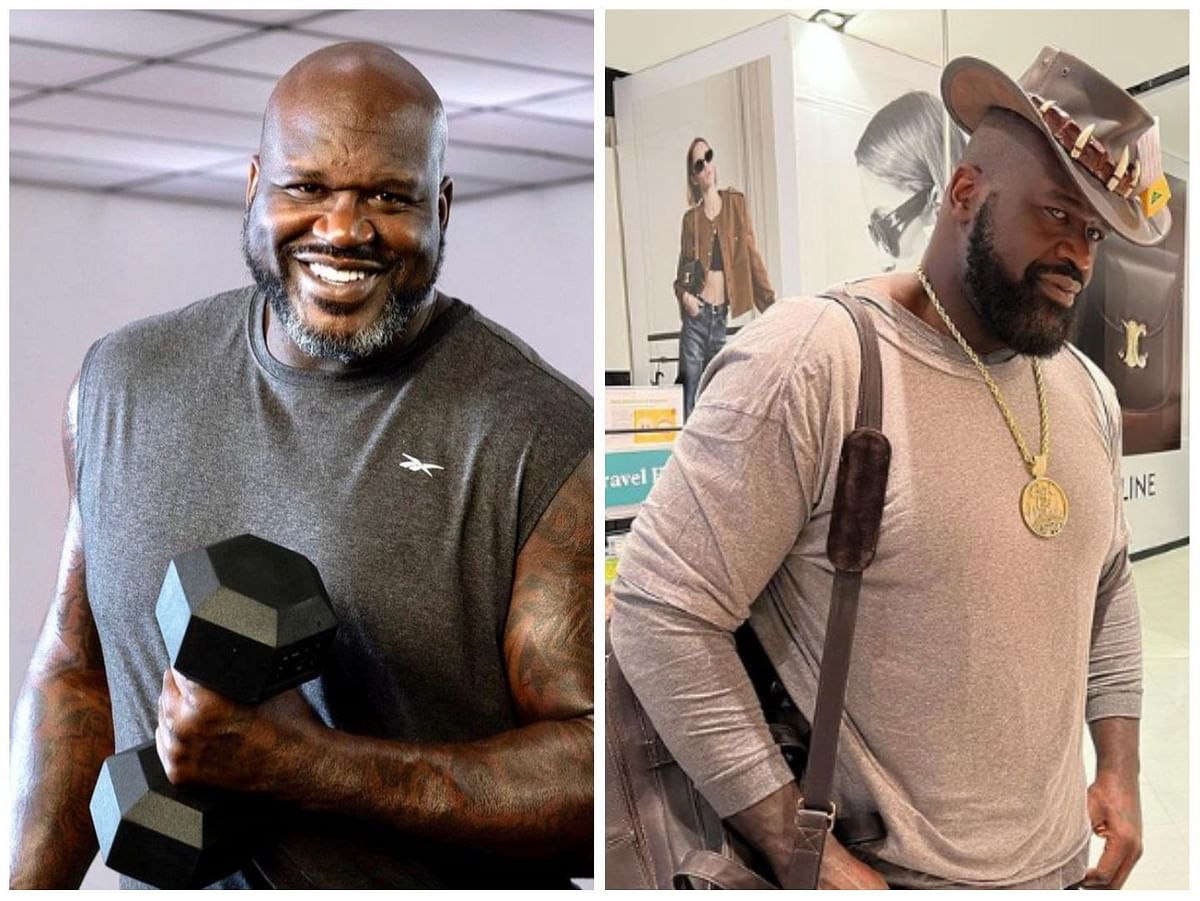
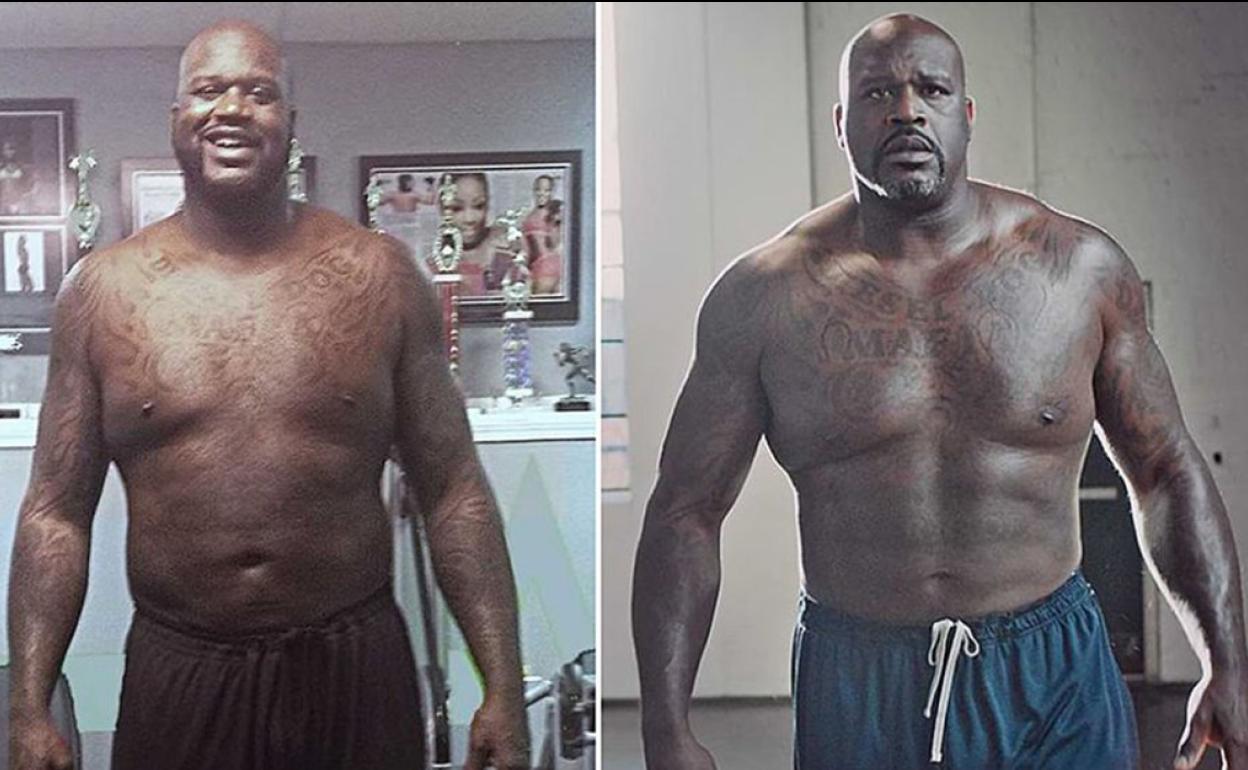
The world was left in absolute awe when NBA icon Shaquille O’Neal debuted his radically slimmed-down physique, showcasing a jaw-dropping 55-pound (25kg) weight loss. Almost instantly, rumors swirled that the Hall of Famer had simply jumped on the trending Hollywood bandwagon of cosmetic weight-loss drugs. However, in a deeply personal revelation, the 7-foot-1 superstar shattered those assumptions, exposing a terrifying, hidden health crisis that left him with no choice but to turn to GLP-1 receptor agonist therapy.
The Invisible Killer: A Chilling Diagnosis at Harvard Medical School
Shaq’s critical health battle secretly began over a decade ago. Back in 2011, shortly after retiring from the intense physical demands of professional basketball, O’Neal participated in a specialized, overnight sleep study conducted by Harvard Medical School. It was there that doctors delivered a frightening diagnosis: severe Obstructive Sleep Apnea (OSA).
This condition is a silent predator. During sleep, the muscles in the back of the throat relax excessively, completely collapsing the airway and causing the individual to repeatedly stop breathing—sometimes hundreds of times a night. If left unmanaged, sleep apnea severely starves the brain of oxygen, placing immense strain on the cardiovascular system. For a man of Shaq’s massive frame, this meant his risk of suffering a fatal stroke, sudden heart attack, or chronic heart failure was skyrocketing every single time he closed his eyes.

The “Fat Neck” Trap: How Weight Compounded the Danger
As the years went on, Shaq’s weight crept up, further exacerbating the deadly cycle of sleep apnea. Medical experts emphasize that carrying excess fat, particularly around the neck and upper respiratory tract, places physical pressure on the airways. This anatomical narrowing makes the throat significantly more prone to collapsing during sleep.
“Being overweight, especially in the neck area, acts like a vice on your breathing passages,” Shaq explained in a recent clinical interview. “The clinical data was black and white: if I didn’t drop the weight immediately to relieve that pressure, the consequences were going to be tragic.”
The GLP-1 Intervention: Medical Necessity Over Vanity
To save his long-term health, Shaq’s medical team prescribed GLP-1 receptor agonists—a class of injectable medications originally engineered to manage Type 2 diabetes. Unlike individuals using the drug purely for quick aesthetic fixes, Shaq utilized the treatment as a controlled medical intervention. GLP-1 drugs work by mimicking natural metabolic hormones, slowing down digestion, and signaling the brain that the body is full even after consuming small, portion-controlled meals.
Combined with a strict nutritional overhaul and a dedicated workout regime, the medication allowed Shaq to safely shed the dangerous visceral fat suffocating his respiratory system. Reflecting on his dramatic health transformation, the NBA legend urged his millions of fans to ignore internet hype and prioritize clinical safety. “Don’t just run after trends you see online,” Shaq warned. “Go sit down with a certified doctor, get your bloodwork done, and let a professional prescribe exactly what your unique body needs to survive.”
Source: Compiled from various sources