Louise Lasser, Emmy Nominated Star of Mary Hartman, Mary Hartman, Dies at 87
Louise Lasser, the actress celebrated for her unforgettable performance in the groundbreaking television satire Mary Hartman, Mary Hartman and for appearing in several early films alongside her former husband Woody Allen, has died at the age of 87.
Lasser died of natural causes on Monday at her home on Manhattan’s Upper East Side, according to her longtime friend Susan Charlotte, who confirmed the news.
Throughout a career spanning decades, Lasser became known for her understated style, quiet humor, and ability to portray vulnerable yet memorable characters. While she appeared in numerous films and television shows, her portrayal of Mary Hartman remains the role that defined her career.
Before becoming a television star, Lasser helped launch Allen’s filmmaking career. She provided the voice of Suki Yaki in the 1966 comedy What’s Up, Tiger Lily?, a film that famously transformed a Japanese spy movie into an absurd comedy through entirely new dialogue.
She later appeared opposite Allen in Take the Money and Run, Bananas, and Everything You Always Wanted to Know About Sex* (*But Were Afraid to Ask). The pair were married from 1966 until their divorce in 1970 but remained on friendly terms afterward.
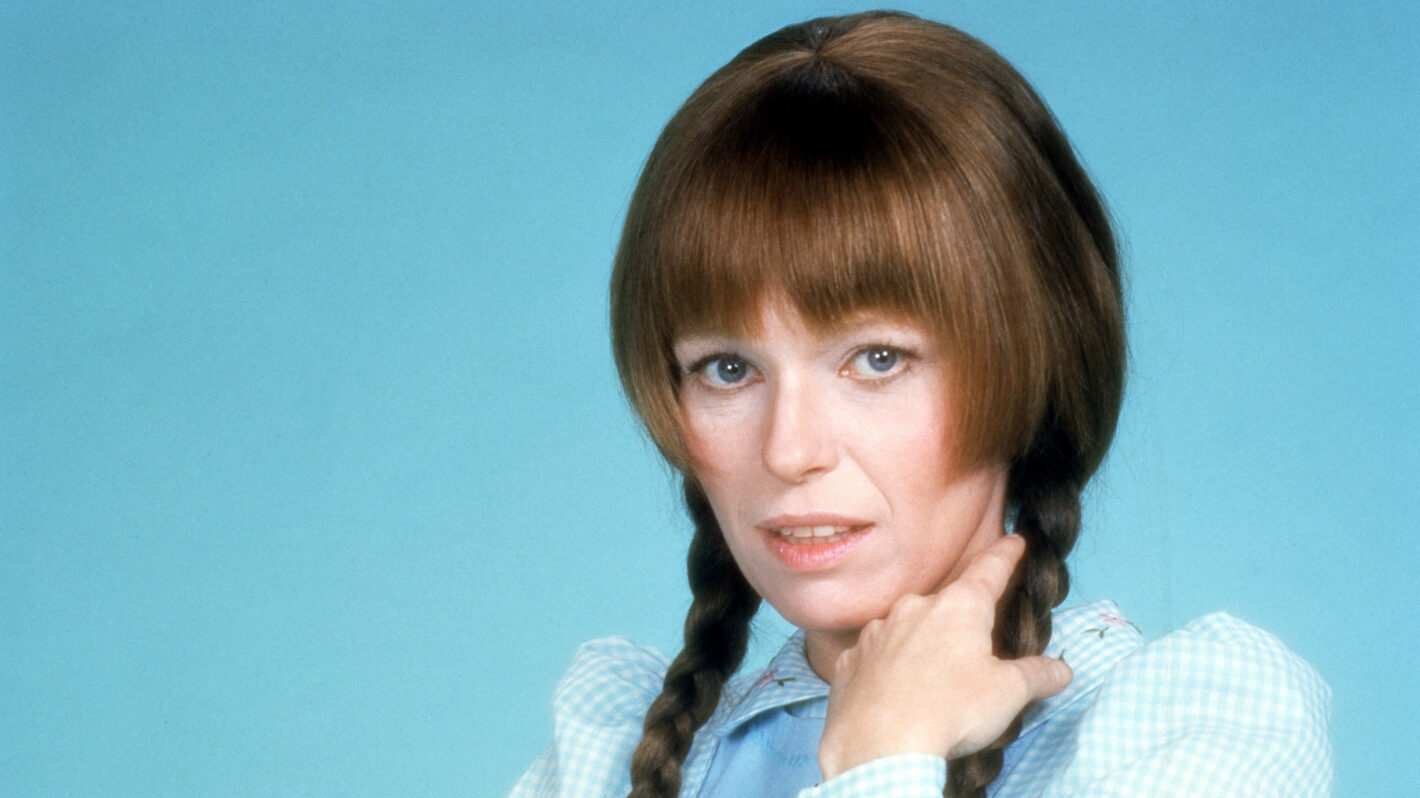
Lasser’s biggest breakthrough arrived in 1976 when she was cast as Mary Hartman in Mary Hartman, Mary Hartman, a bold comedy created under producer Norman Lear. The syndicated series broke television conventions by airing five nights each week while blending soap opera storytelling with sharp social satire.
Over 325 episodes, Lasser portrayed a seemingly ordinary suburban housewife whose quiet life was repeatedly disrupted by bizarre events and controversial topics. The series tackled issues rarely seen on television at the time, including infidelity, sexuality, religious movements, violent crime, and media culture, all through a unique mix of comedy and drama.
Her performance earned widespread praise and an Emmy nomination in 1976, helping establish the series as one of television’s most innovative productions.
Looking back years later, Lasser reflected on the show’s lasting impact, saying she never believed it was ahead of its era. Instead, she felt it perfectly captured the cultural moment in which it was created.
:max_bytes(150000):strip_icc():focal(999x0:1001x2)/Louise-Lasser-Chiller-Theater-Expo-2015-070726-50207568ad5a4ad088567cfd0f8b902a.jpg)
Born Louise Jane Lasser in New York City on April 11, 1939, she initially studied political science at Brandeis University before deciding to pursue acting. She trained under renowned acting teacher Sanford Meisner and began performing in New York’s Greenwich Village theater scene.
Her first major opportunity came in 1962 when she stepped into Barbra Streisand’s role in the Broadway musical I Can Get It for You Wholesale after serving as Streisand’s understudy.
Throughout the 1970s, Lasser built an impressive television résumé with guest appearances on series including The Mary Tyler Moore Show, The Bob Newhart Show, McCloud, and Medical Center.
Her career also included memorable supporting roles in films such as Crimewave, Frankenhooker, Happiness, Mystery Men, and Requiem for a Dream.

A new generation of viewers later discovered Lasser through her recurring role on Girls, where she portrayed an artist struggling with depression.
Lasser’s life was not without challenges. In the mid-1970s, she faced legal trouble following a cocaine possession arrest and later experienced well documented struggles with anxiety and substance abuse. Those personal battles occasionally affected her professional life, including a famously difficult appearance as host of Saturday Night Live.
Rather than hiding those experiences, Lasser often drew on them in her work. She once revealed that Mary Hartman’s emotional breakdown during the series was inspired by her own idea, describing the experience as unexpectedly healing.
Lasser continued acting steadily for decades after Mary Hartman, Mary Hartman ended, appearing in television movies, sitcoms, and independent films well into the 2000s.
She is survived by her longtime partner, Michael Citriniti, who remained by her side in the years leading up to her death.