When Nature Turns Deadly: Spain’s Wildfire Crisis Exposes Europe’s Climate Emergency
A Firestorm Unlike Any Other
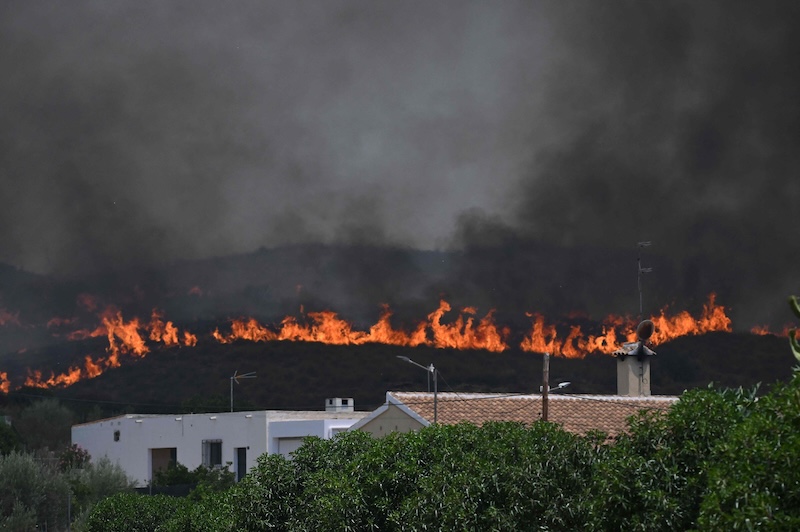
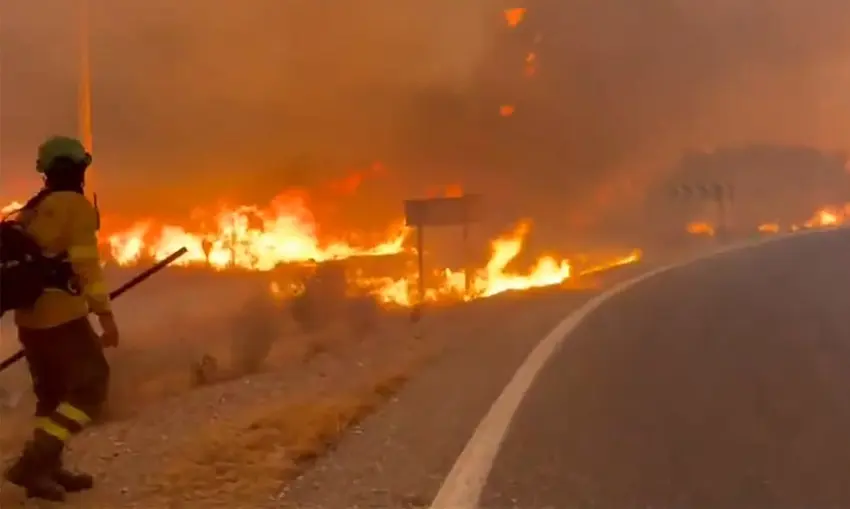
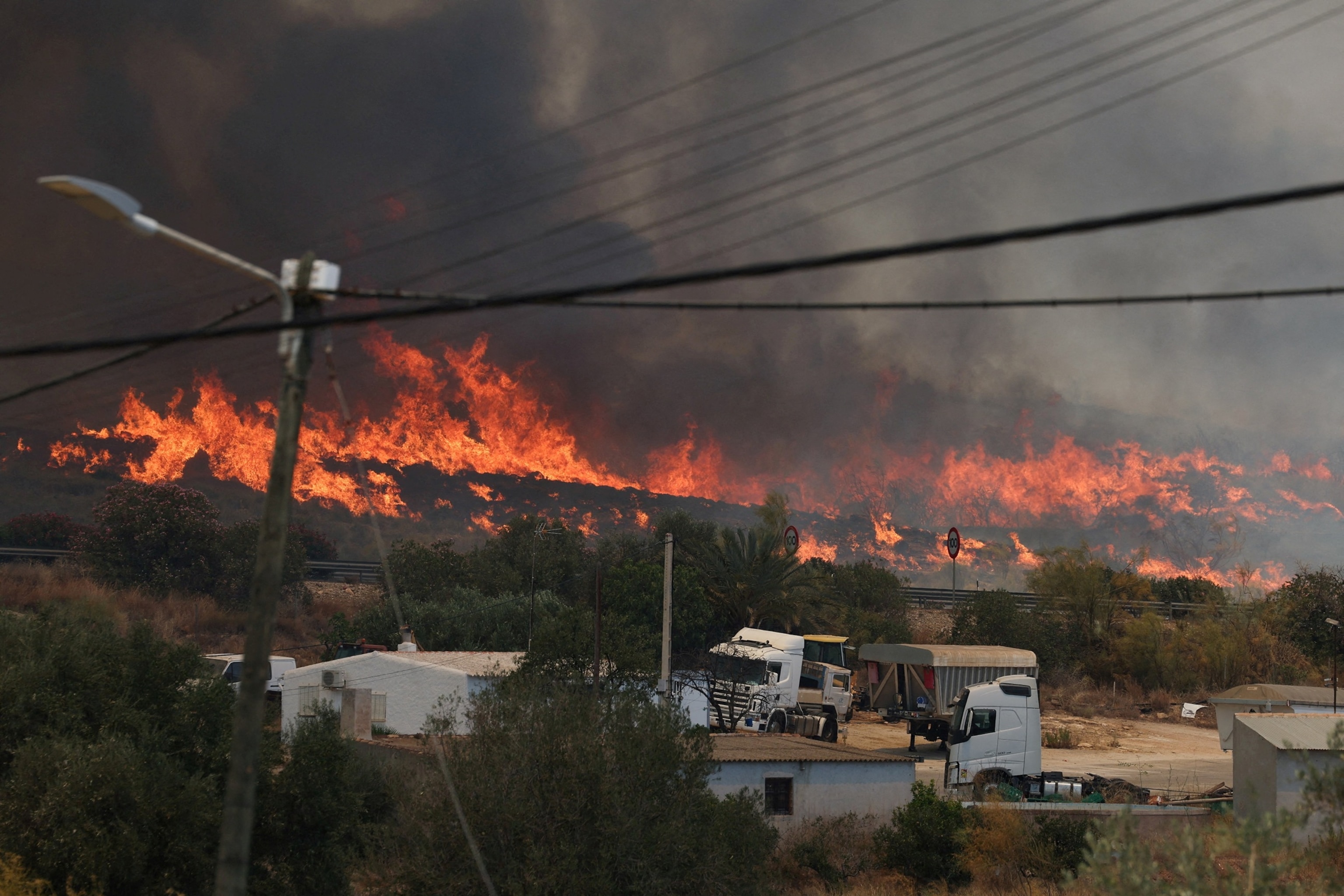
Spain’s Andalusia region is reeling from one of its deadliest wildfires in recent memory. Starting late Thursday near the Sierra de Los Filabres mountains in Almería province, the blaze has scorched approximately 66 square kilometers—roughly the size of Manhattan—leaving at least 12 people dead and 23 others still missing. Hundreds of firefighters, supported by helicopters and aircraft, continue their desperate battle against an inferno that refuses to be contained.

The Speed of Destruction
What makes this fire particularly terrifying is its speed. Justice Minister Félix Bolaños revealed that at its most intense, the wildfire advanced 100 meters per minute—328 feet per minute. Imagine watching a wall of flame rush toward you at that velocity, consuming everything in its path. The combination of extreme heat, dry conditions, and unpredictable fire behavior created a perfect storm that overwhelmed evacuation efforts and left people with impossible choices.
Tragic Decisions That Cost Lives
The victims tell a story of confusion and miscalculation. Most of the 12 confirmed dead are believed to be foreign nationals, with authorities identifying at least four as British based on their burned vehicles’ right-hand steering wheels. Seven people died while on foot, having abandoned their cars as they tried to escape. This detail is crucial: these weren’t people who ignored evacuation orders outright—they were people who made split-second decisions that proved fatal.
Authorities emphasized that most victims died after ignoring shelter-in-place instructions. In hindsight, those instructions seem obvious. But in the chaos of an advancing wildfire, with smoke billowing and temperatures soaring, the rational calculus changes. Some chose to run. None survived.
A Region Transformed by Crisis
Almería is home to one of Andalusia’s largest communities of foreign nationals, which partly explains the international dimension of this tragedy. Spanish authorities proactively evacuated 1,448 people from 11 different areas, showing coordination and effort. Yet even with these measures, 12 people still perished. Justice Minister Bolaños reported that nearly all homes on the fire’s perimeter remained undamaged—a bitter irony when human lives were lost.
Climate Change’s Brutal Reality
This wildfire didn’t occur in isolation. Spain is experiencing its third heat wave in six weeks, with temperatures repeatedly exceeding 40 degrees Celsius (104 Fahrenheit). The country’s meteorological agency has warned that wildfire risk will remain dangerously high through the weekend. Last month was France’s hottest June on record, and Western Europe continues to shatter heat records.
“This is a climate emergency,” Bolaños said plainly, refusing to dance around the obvious cause. Europe is warming twice as fast as the global average since the 1980s, creating tinderbox conditions where small fires become infernos in minutes.
A Broader Crisis
Spain isn’t alone in battling wildfires. France has also been lashed by multiple blazes this week, with over 25,000 hectares burned since the start of 2026—roughly double the area burned in the same period last year. French Interior Minister Laurent Nunez revealed that 32 people have been arrested in connection with wildfires across the country, emphasizing that human carelessness compounds nature’s fury.
The Human Cost
As investigators completed autopsies and collected DNA samples to identify the victims, the full weight of the tragedy became clear. These weren’t statistics or climate data points—they were people who woke up Thursday morning with no idea it would be their last day. They were families, residents, visitors who never imagined a wildfire moving at 328 feet per minute would be their final test.
For survivors and witnesses, the haunting question remains: What should I have done differently? For Europe’s leaders, the question is more urgent: How do we adapt to a climate that will continue producing these disasters with increasing frequency?
Source: Compiled from Associated Press and Spanish government officials reports